Most people think hair damage comes only from dramatic causes like bleaching, heat styling, or chemical treatments. In reality, the biggest threats are the small daily habits that slowly weaken the strands over time. These tiny actions add up and eventually lead to breakage, thinning ends, and lack of growth retention. CompareSphere takes a closer look at these overlooked causes, explaining how they happen, how to recognize the early signs, and what changes can protect the hair before visible damage appears.
See, most hair damage comes from subtle, everyday habits that weaken the strands little by little. Tight hairstyles, rough drying, brushing wet hair, friction from pillowcases, and incorrect washing techniques all contribute to micro-damage that prevents hair from reaching its healthiest length and appearance.
The Meaning of Micro-Damage and Why It Matters
Micro-damage refers to the tiny structural stresses that weaken hair fibers without causing immediate breakage. While the strands look fine at first, repeated tension, friction, or dryness gradually wears down the cuticle. Over time, this leads to split ends, mid-shaft breakage, frizz, and a general lack of smoothness.
Unlike major damage, micro-damage isn’t obvious until it accumulates. This is why many people feel like their hair “never grows” even though it is growing at the root; it’s simply breaking faster than it can reach full length. Understanding micro-damage helps individuals identify harmful routines early and adjust their habits before long-term problems develop.
Common Everyday Habits That Cause Micro-Damage
Small, routine actions often create more damage than major styling events. These habits seem harmless, but they slowly weaken the hair over time.
- Brushing or Combing Hair While Soaked
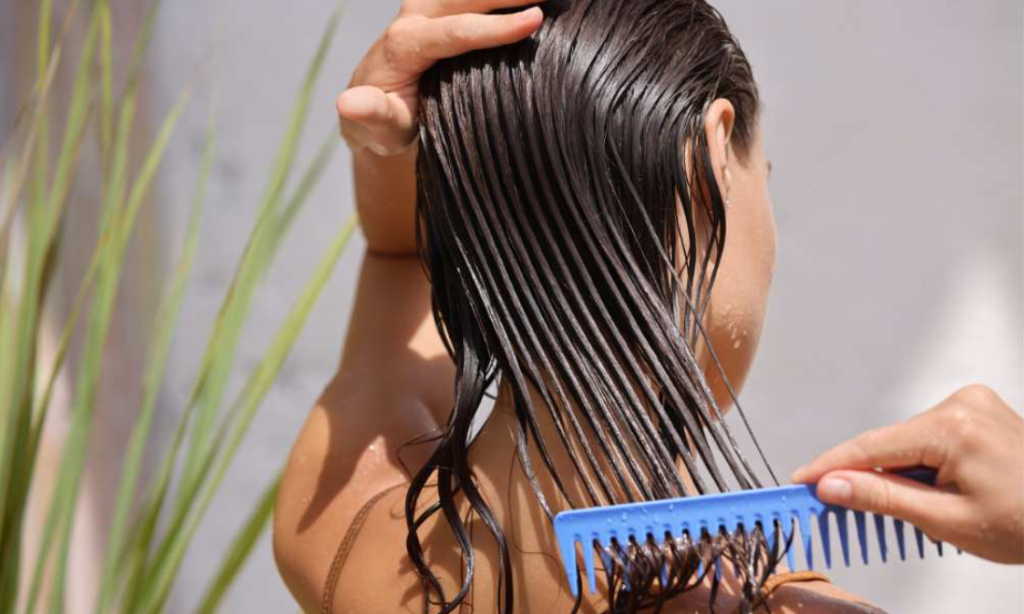
Wet hair has lower elasticity and is more vulnerable to snapping. Brushing aggressively or detangling without support stretches the hair fiber beyond its limit.
- Towel-Drying the Wrong Way

Rubbing hair with a towel creates friction that roughens the cuticle layer. Over time, this leads to frizz, dryness, and uneven texture along the shaft.
- Wearing Tight Styles Daily

Consistently pulling hair into tight ponytails, buns, or braids adds tension that strains both strands and follicles. This tension can cause breakage or thinning at the hairline.
- Sleeping on Rough Fabrics

Traditional cotton pillowcases absorb moisture and create friction that lifts the cuticle. Night after night, this friction contributes to dryness and snapping.
- Neglecting the Scalp

A dry or unbalanced scalp restricts healthy growth and weakens new strands from the start. Product buildup or infrequent cleansing can further interfere with the hair’s natural strength.
- Using Heat Without Protection
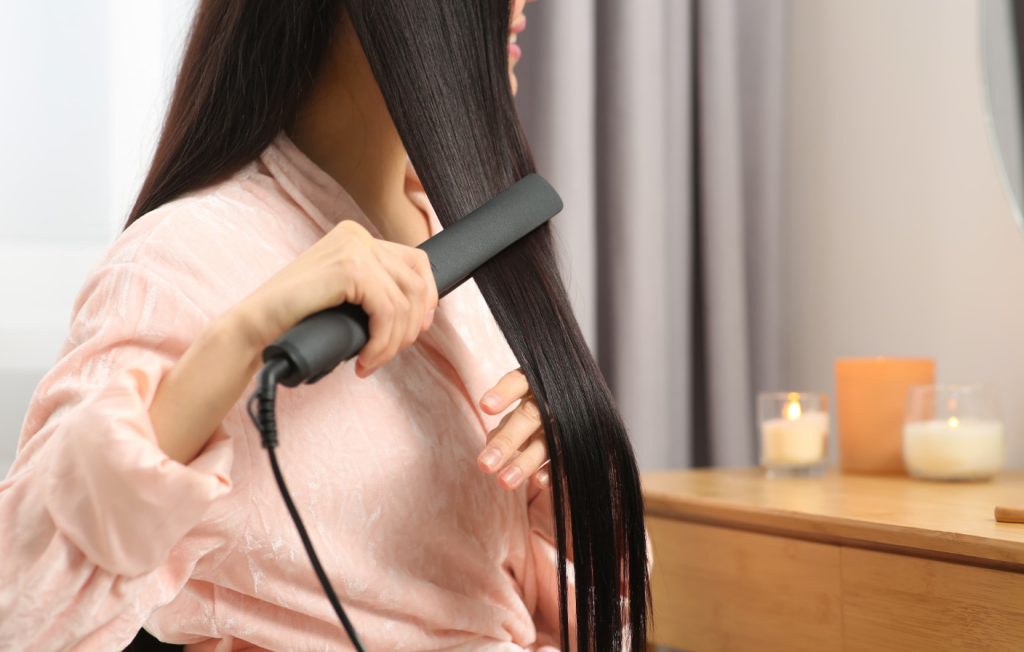
Even moderate heat styling can cause repeated micro-cracks within the cuticle if used without protective products or proper temperature control.
These habits rarely cause immediate damage, which is why they’re often overlooked. Yet they play a large role in overall hair health and length retention.
Micro-Damage vs Visible Damage: Understanding the Difference
It’s helpful to compare micro-damage with visible damage to understand why prevention matters.
Micro-Damage
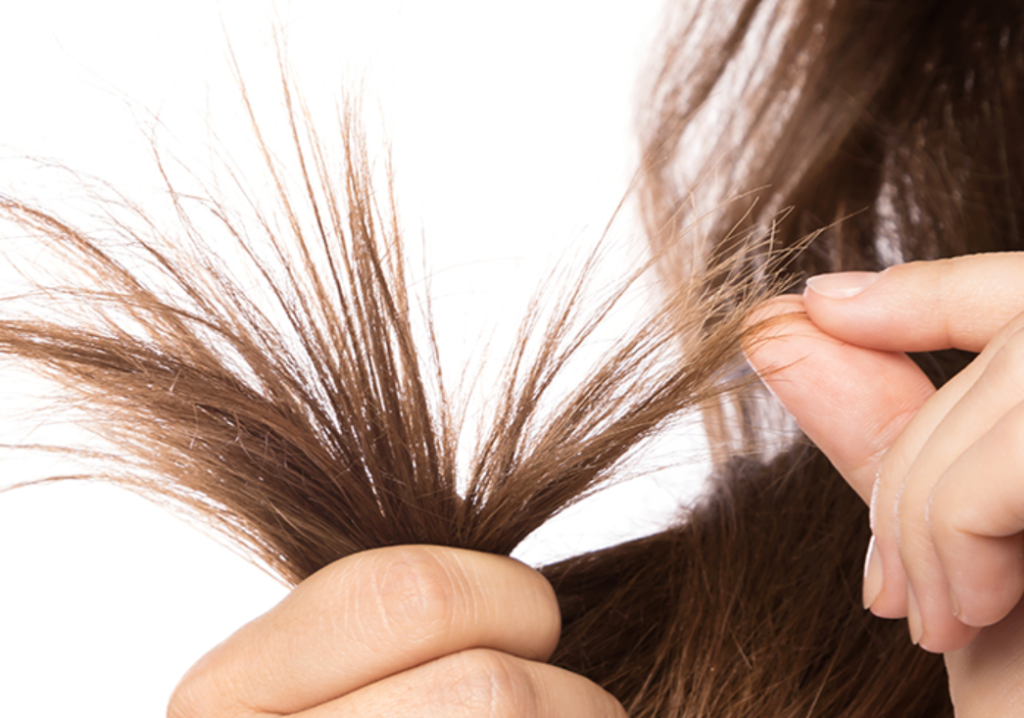
- Subtle weakening of the hair fiber
- No obvious breakage at first
- Often caused by repetitive habits
- Leads to long-term problems like thin ends and slow length retention
Visible Damage

- Clear breakage or split ends
- Immediate effect from chemicals or extreme heat
- Requires trimming or deep repair
- More difficult to reverse
Micro-damage operates silently, making it more dangerous over time. Once enough minor harm has accumulated, the hair begins to show signs that were developing quietly for months.
How to Prevent Micro-Damage and Protect Hair
Small adjustments in daily routines can make a noticeable difference in hair strength and appearance. The key is consistency rather than extreme overhauls.
Be Gentle With Wet Hair: Detangle with a wide-tooth tool and use a conditioner that adds slip. Supporting the strand reduces stretching and minimizes breakage risk.
Dry Hair the Right Way: Pat or squeeze out excess water instead of rubbing. Allowing hair to air-dry partially before styling reduces tension and friction.
Loosen Tight Styles: Switching between low and high ponytails or using softer accessories helps reduce constant pull on the hairline. Gentle styles support healthier growth.
Protect Hair at Night: Smoother fabrics reduce friction and help preserve moisture. This small adjustment can significantly decrease overnight breakage.
Maintain a Healthy Scalp: Cleansing regularly and avoiding heavy buildup allows hair to grow in a stronger, healthier state. A balanced scalp promotes long-term resilience.
Control Heat Exposure: Lower temperatures and heat protectants keep the cuticle intact. Moderate use creates fewer micro-cracks in the hair shaft.
These choices support overall hair health by addressing the root causes of small, consistent damage.
These Changes Matter for Long-Term Growth
Healthy hair growth isn’t only about what happens at the scalp; it depends heavily on what happens along the entire length. When micro-damage is controlled, strands remain intact long enough to reach their natural potential. Individuals often notice thicker ends, softer texture, and fewer tangles over time. Reducing internal stress on the hair fiber also makes styling easier and helps maintain a smoother, more polished appearance.
CompareSphere’s analysis highlights that focusing on these small adjustments often delivers more improvement than relying solely on products. Long-term hair health is shaped by consistent habits, and even minor changes can create lasting benefits.