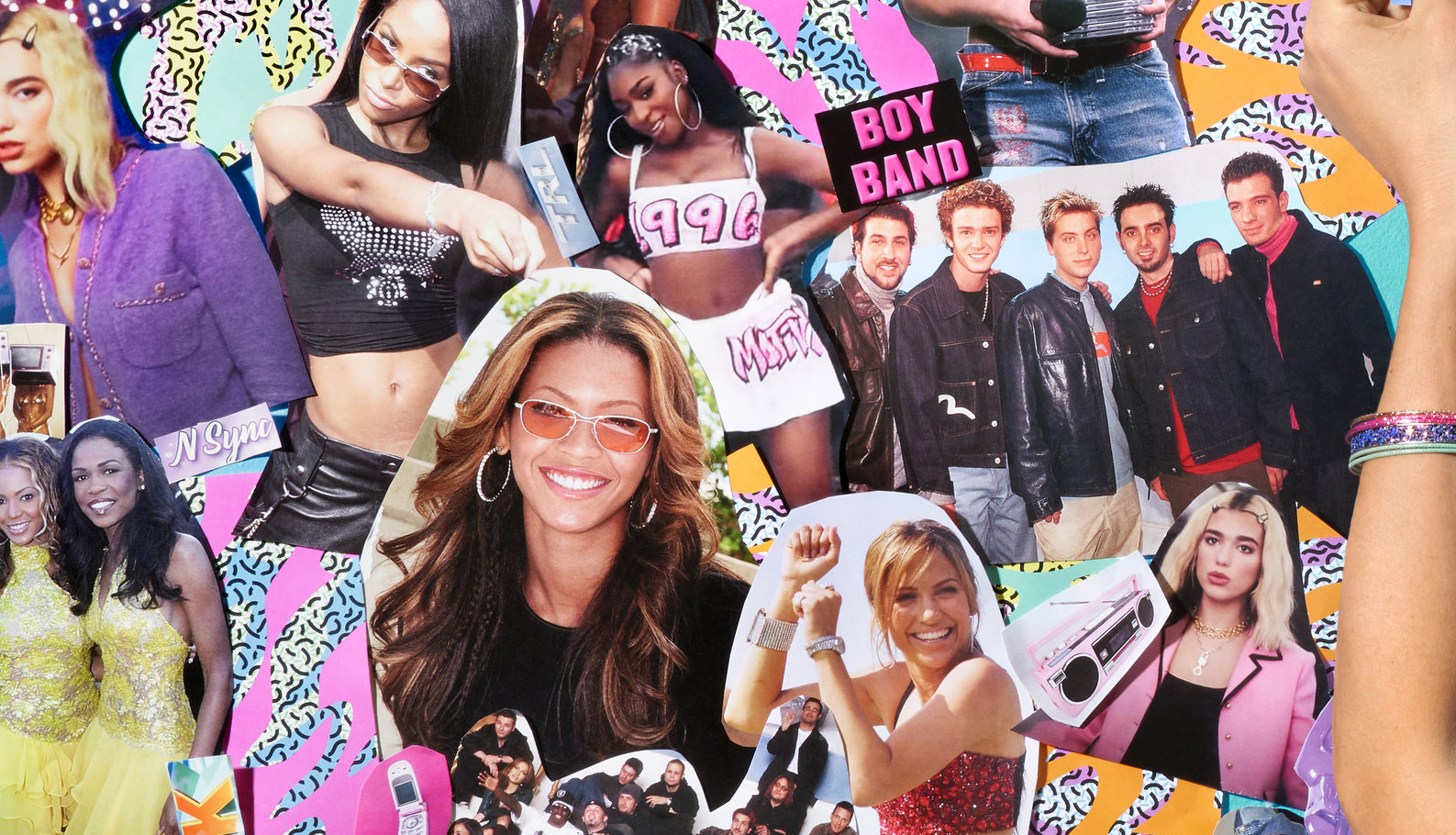
Nostalgia has become one of the strongest forces shaping today’s entertainment landscape. The sudden reappearance of early 2000s music, fashion, and television is more than a trend, it reflects a broader cultural shift. What once felt like a distant chapter is now resurfacing with full force, influencing playlists, wardrobes, and streaming choices across all age groups. CompareSphere explores why this era has returned so prominently, what fuels the fascination, and why the early 2000s continue to shape conversations in modern entertainment.
The reason nostalgia is trending it’s because it offers emotional comfort, reconnects people with familiar memories, and provides a sense of identity during times of rapid change. The early 2000s are returning through social media, reboots, fashion revivals, and easily accessible streaming platforms.
Why the Early 2000s Are Suddenly Everywhere
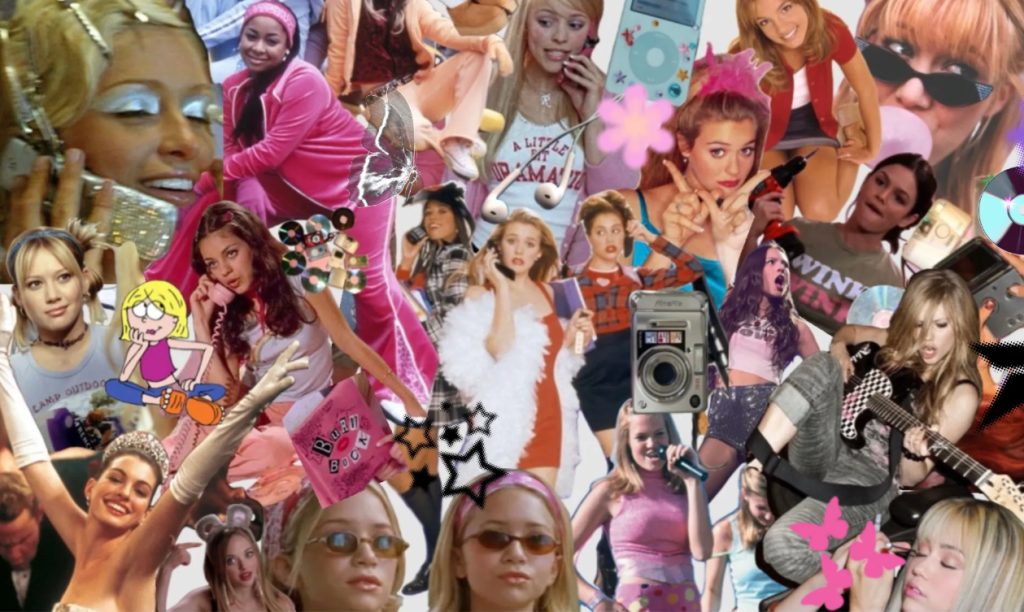
The return of early 2000s culture follows a natural cycle in entertainment. Cultural patterns often resurface every couple of decades, allowing previous generations to revisit their favorite moments while new generations discover them for the first time. The early 2000s hold a special place because they balanced digital innovation with traditional media. Many adults today grew up during that era, making it deeply personal, while younger individuals view it as a fresh and intriguing time.
This period had a distinct identity marked by expressive fashion, vibrant music styles, and iconic TV formats. When these elements reappear today, they stand out against modern trends. Streaming platforms, digital playlists, and global access to older media make the revival even stronger, creating a blend of nostalgia and discovery that resonates widely.
The Emotional Appeal Behind Revisiting Old Entertainment
Nostalgia provides emotional reassurance and stability. Listening to a familiar song or watching a show from the early 2000s creates a connection to experiences that felt simpler and more predictable. Many people associate this era with early friendships, personal growth, or carefree routines, making the emotional pull even stronger.
Music from the early 2000s carries signature melodies, upbeat production, and memorable lyrics. Television shows focused on relatable storytelling that emphasized friendships, humor, or personal challenges. Fashion encouraged individuality through color, accessories, and bold choices. When these elements return, they remind people why the era felt so expressive and lively.
This emotional comfort becomes especially appealing during periods of uncertainty or rapid change. Returning to familiar entertainment feels grounding and safe, which is a major reason nostalgia maintains long-term cultural influence.
How Social Platforms Fueled the Nostalgia Revival
Social media plays a significant role in amplifying early 2000s nostalgia. Trends can spread within moments, allowing users to share old clips, songs, outfits, and memories widely. These posts reach younger audiences who may not have experienced the original era but are eager to explore it.
Editing trends, playlist challenges, aesthetic posts, and fashion recreations keep nostalgia highly visible. People use these platforms to compare past trends to modern ones, sparking conversations that strengthen the cultural comeback. The communal aspect of nostalgia makes it more powerful, turning individual memories into shared experiences.
Streaming platforms add another layer by providing instant access to classic shows and music collections. Content that once aired weekly or was difficult to revisit can now be enjoyed on demand, making nostalgia convenient and integrated into daily routines.
Where the Early 2000s Nostalgia Shows Up Most Clearly
Several elements of early 2000s entertainment have returned with noticeable impact. These specific names and trends reflect how deeply the era still resonates.
Music
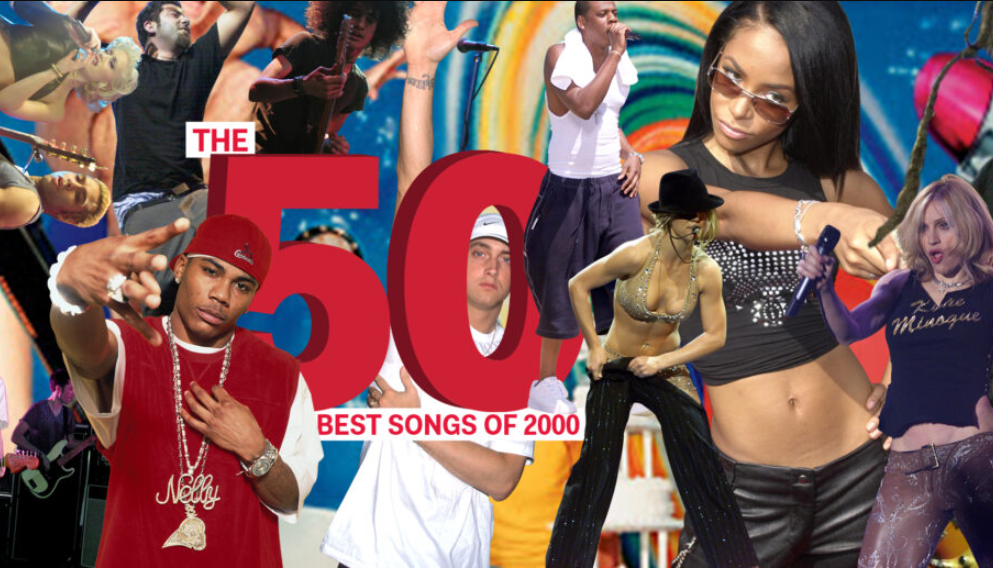
Early 2000s music has made a strong comeback, especially songs from artists who shaped the era. Tracks from Britney Spears, Usher, Destiny’s Child, Avril Lavigne, and Nelly reappear on digital playlists and social edits. Pop-punk bands like Blink-182 and Paramore influence a new wave of artists who replicate the same energetic sound. Even modern hits often sample early 2000s melodies, proving that the era continues to shape creative direction today.
Fashion
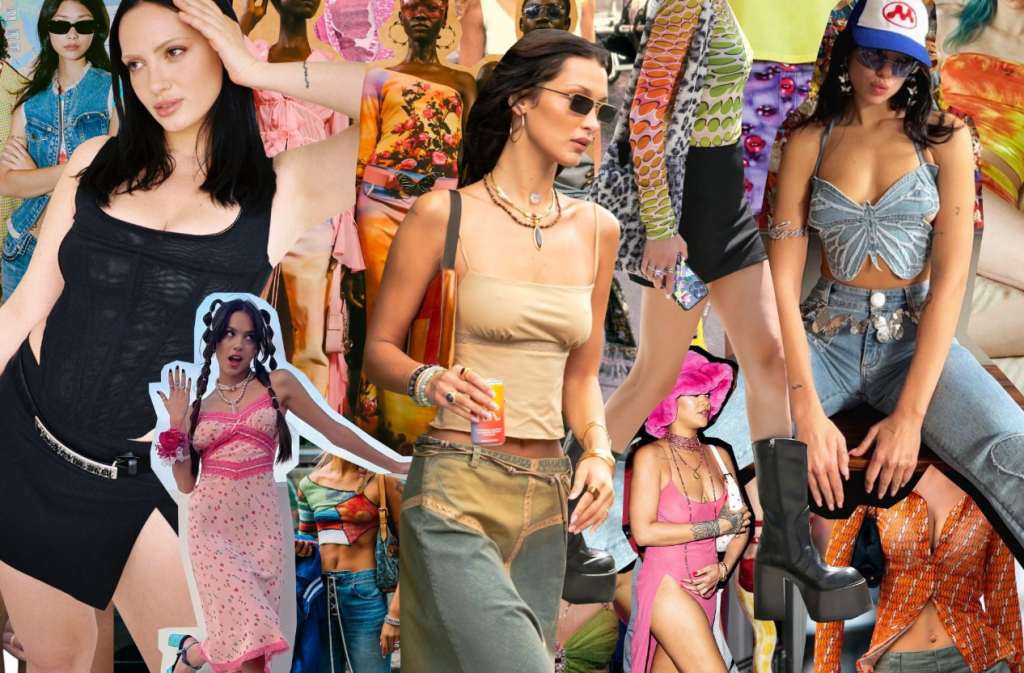
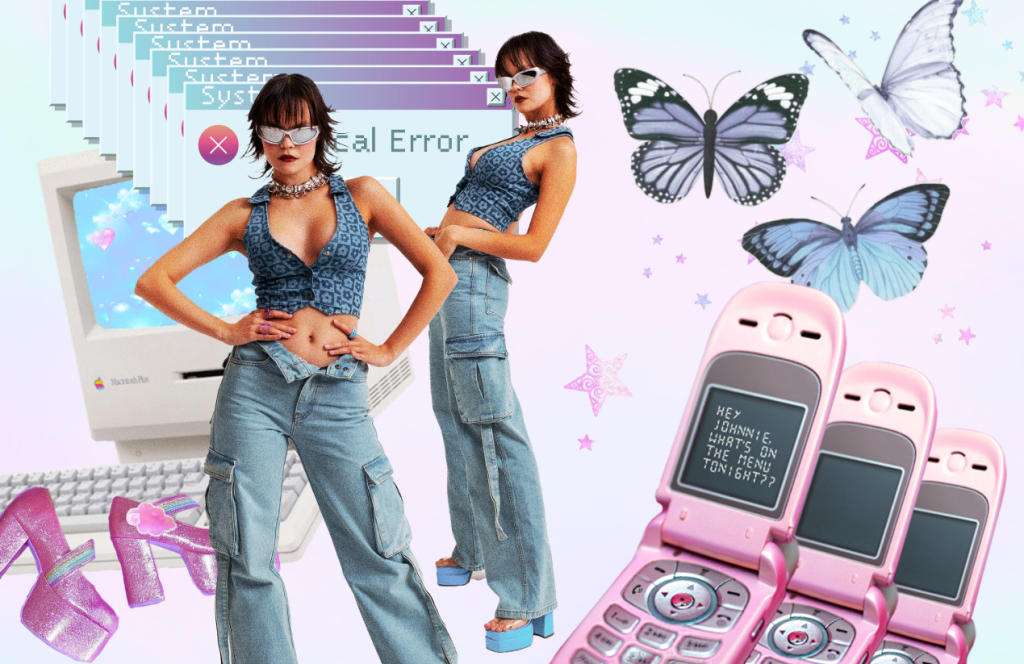
Fashion trends from the early 2000s are resurfacing with recognizable detail. Low-rise jeans, cargo pants, velour tracksuits, butterfly clips, metallic fabrics, mini shoulder bags, and layered tops have returned to both streetwear and high-fashion runways. These styles were once popularized by celebrities of the era and are now being embraced again, often with updated silhouettes and improved materials.
TV and Movies
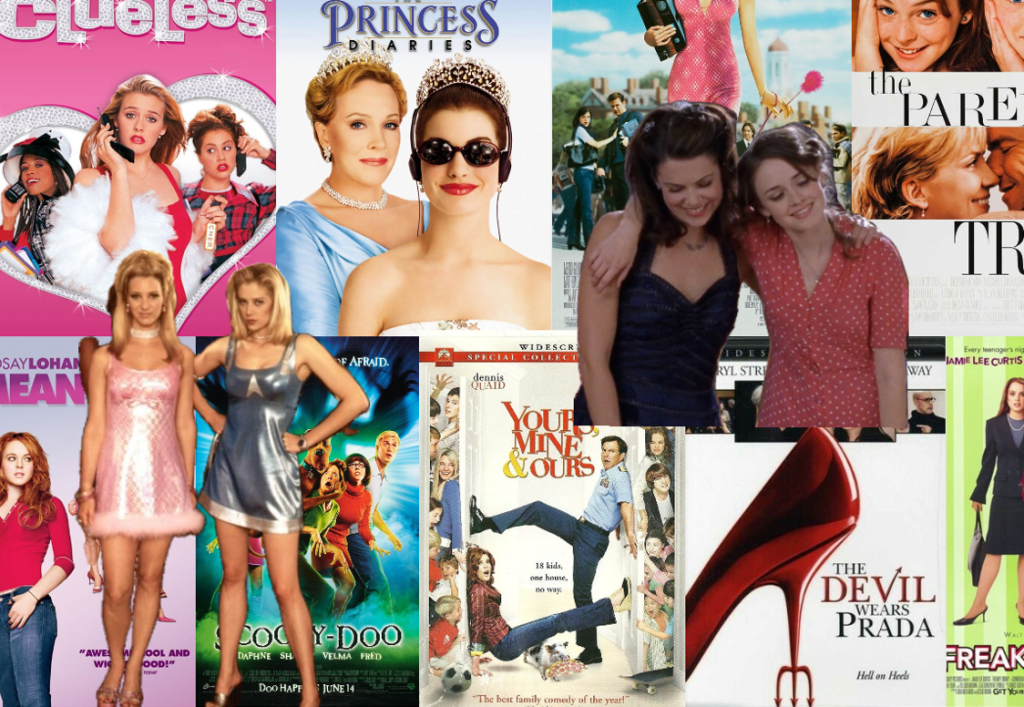
Television and film from the early 2000s remain popular across streaming services. Shows like “Gilmore Girls,” “The O.C.,” “One Tree Hill,” and “Friends” attract dedicated audiences who enjoy the comforting storytelling. Movies such as “Mean Girls,” “Legally Blonde,” and “Freaky Friday” have resurfaced through sequels, remakes, or renewed cultural discussions. Reality formats like “Survivor,” “America’s Next Top Model,” and “The Simple Life” also return to public attention through online commentary and streaming interest.
These examples highlight how early 2000s culture continues to influence modern entertainment, blending past and present seamlessly.
Why Nostalgia Continues to Hold Strong Cultural Power
The strength of nostalgia comes from its ability to bridge generations. Older audiences enjoy returning to familiar content, while younger viewers discover trends that feel fresh and exciting. The early 2000s, in particular, offer a unique blend of creativity and emotional familiarity that appeals across age groups.
Modern entertainment continues drawing from this period because the response is consistently positive. The early 2000s are remembered for their expressive style, memorable characters, and iconic sounds, making them ideal sources of inspiration. CompareSphere highlights that nostalgia works not just as a memory but as a cultural connector that brings people together across different backgrounds.
As entertainment evolves, nostalgia will likely remain a lasting part of the conversation, inspiring new interpretations while preserving the essence of what made the early 2000s so memorable.