
Beginning a skincare routine can feel overwhelming, especially with so many products, steps, and trends circulating online. For someone new to skincare, the challenge is knowing where to start without overcomplicating things. CompareSphere lays out an easy, beginner-friendly routine that focuses on skin health, consistency, and long-term results. Instead of pushing unnecessary products, this guide highlights what truly matters and helps readers avoid common mistakes that often lead to irritation or confusion.
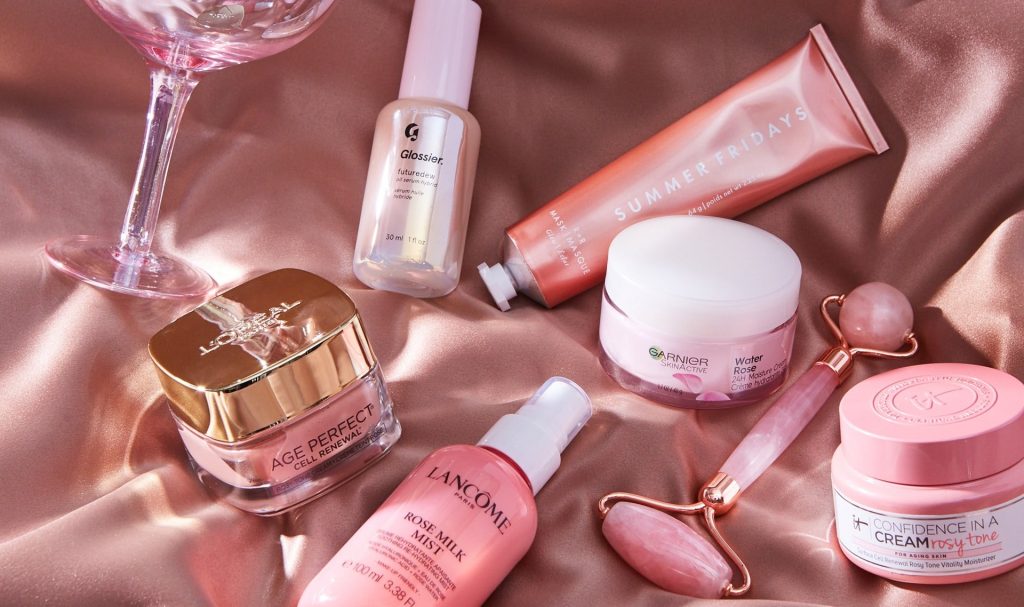
A beginner only needs three essentials: a gentle cleanser, a basic moisturizer, and a daily sunscreen. Everything else can be added later once the skin adjusts, learns to tolerate new ingredients, and shows signs of what it truly needs.
Understanding What Beginner Skincare Should Look Like
A beginner routine should be simple, consistent, and focused on building a strong foundation. Many people start with too many products, leading to redness, breakouts, or irritation. A straightforward routine teaches the skin how to adapt while avoiding unnecessary stress. This approach also makes it easier to identify what works and what doesn’t.
Skincare isn’t about collecting products; it’s about supporting the skin barrier, maintaining hydration, and preventing long-term damage. The basics covered in this article are enough to make a visible difference without overwhelming the skin or the person using the routine.
Step 1: A Gentle Cleanser

A cleanser is the foundation of every skincare routine. For beginners, the most important criteria are gentleness and effectiveness. A cleanser should remove sweat, oil, and daily buildup without stripping the skin. Harsh cleansers can weaken the skin barrier, leading to tightness, dryness, or irritation.
Beginners don’t need exfoliating cleansers, scrubs, or strong active ingredients. Instead, they benefit from a mild formula that keeps the skin clean while preserving natural moisture. Using a gentle cleanser once or twice a day, depending on individual needs, is usually enough to maintain balance.
Step 2: A Basic Moisturizer

Moisturizer keeps the skin comfortable, hydrated, and protected from environmental stress. A good beginner moisturizer should be simple and free of unnecessary fragrance or strong actives. Its primary role is to support the skin barrier and maintain moisture levels throughout the day.
Different skin types may prefer different textures. Lightweight gels may suit oilier skin, while creams work well for dry or sensitive skin. Regardless of the type, a basic moisturizer helps prevent dryness, reduces irritation, and creates a smoother canvas for any future skincare steps.
Moisturizing consistently makes the skin more resilient and helps create long-term improvements in softness and balance.
Step 3: A Daily Sunscreen

Sunscreen is the most important product in any skincare routine. It protects against UV damage, prevents premature aging, and reduces the risk of irritation caused by sun exposure. For beginners, daily use is essential because even minimal sun exposure accumulates over time.
Choosing a sunscreen that feels comfortable on the skin increases the likelihood of consistent use. Whether the texture is creamy, lightweight, or gel-based, the key is applying it daily as the final step in the morning routine. Sunscreen is the single biggest factor in keeping skin healthy and preventing future concerns, making it a crucial part of any beginner routine.
What Beginners Should Avoid at First
Beginners often feel tempted to try trending products or strong active ingredients right away, but this can lead to overwhelming the skin. Simplicity is safer and more effective during the early stages.
Here are some products you need to avoid initially:
- Strong exfoliants can irritate unprepared skin.
- Retinol may cause redness without a gradual introduction.
- Fragrance-heavy products increase the risk of sensitivity.
- Complex routines make it harder to identify what works.
- Constant product switching disrupts the skin barrier.
Avoiding these elements helps maintain a calm, balanced complexion while the basics do their work.
How to Know When to Add More Products
Once the skin adjusts to a beginner routine and shows stability, it becomes easier to understand what additional products might be beneficial. People often introduce new products for specific concerns such as uneven tone, breakouts, or dullness. The key is to add one product at a time and give the skin space to adapt.
A good rule is to wait several weeks before adding anything new. If the skin stays calm and balanced, the next step could be a serum or a mild exfoliant. Starting slowly prevents irritation and allows each product to show whether it supports the skin effectively. Patience is essential because real results come from consistency rather than a large number of products.
Signs the Routine Is Working
A beginner routine should strengthen the skin barrier and improve overall skin behavior. When the routine is functioning well, the skin will show gentle, steady progress rather than dramatic changes.
Some signs of improvement include:
- Reduced dryness and tightness
- Fewer breakouts or less irritation
- Smoother texture
- More balanced oil production
- Overall comfort throughout the day
These improvements indicate that the basics are supporting skin health effectively. For most beginners, this phase creates a solid foundation for any additional steps added later.
Why a Simple Routine Helps Long-Term

Starting simple makes skincare less overwhelming and more sustainable. A routine built on gentle cleansing, moisturizing, and sun protection keeps the skin strong and reduces unnecessary problems created by overuse of products. CompareSphere highlights that this approach is beneficial for beginners because it avoids confusion and builds confidence with skincare. Once the skin adapts, expanding the routine becomes much easier and far more effective.
A well-structured beginner routine sets the stage for healthier skin in the long run, allowing gradual, thoughtful additions based on real needs rather than trends.