Choosing the right toothbrush seems straightforward, yet it has become one of the most talked-about decisions in personal care. With shelves filled with sleek electric models and familiar manual options, many people wonder whether the tool they choose actually affects their oral health or if technique matters more than technology. This question has become especially relevant as more individuals take their daily routines seriously and look for ways to improve long-term wellness.
Understanding the differences between electric and manual toothbrushes goes beyond preference; it involves how each tool supports plaque removal, gum health, and consistent brushing habits. While both types are designed to maintain oral hygiene, the results they deliver can vary from person to person. CompareSphere takes a deeper look into how these toothbrushes work, what benefits they offer, and which factors help determine the best choice for a healthier, easier routine.
Electric toothbrushes generally clean more effectively thanks to consistent motion and built-in features, while manual toothbrushes can still work well for those with proper technique. The better choice depends on brushing habits, personal preference, and comfort.
Understanding How Brushing Tools Affect Oral Health
Toothbrushes play a major role in removing plaque, preventing cavities, and maintaining gum health. The effectiveness of brushing depends on technique, time, and consistency. While both electric and manual toothbrushes can maintain oral hygiene, they differ in how they deliver results.
Electric toothbrushes use oscillating, rotating, or vibrating motions to help break down plaque with less manual effort. This makes them reliable for people who have difficulty brushing thoroughly or consistently. Manual toothbrushes rely entirely on the user’s technique, which means effectiveness varies widely depending on how the person brushes.
Understanding these differences helps individuals choose the tool that best supports their oral health not just in theory, but in daily use.
Benefits of Electric Toothbrushes
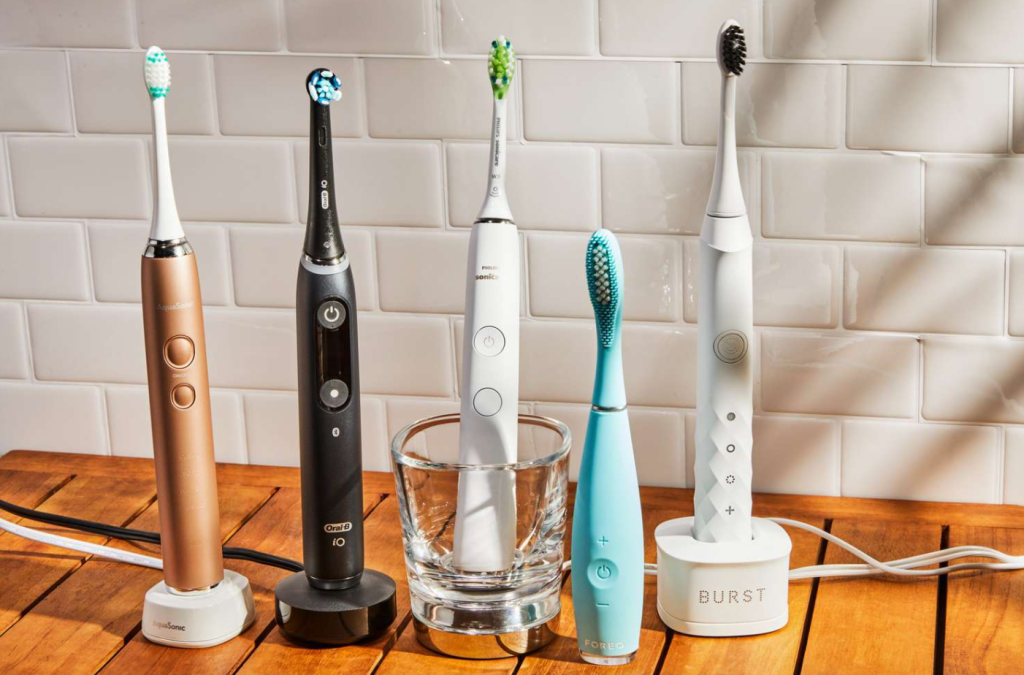
Electric toothbrushes offer several features designed to enhance brushing efficiency. Their automatic movements help clean teeth evenly, even in hard-to-reach spots. Many models include built-in timers to ensure users brush for the recommended amount of time, along with pressure sensors that prevent brushing too aggressively.
Because the brush head moves quickly and consistently, users don’t need to apply as much force or manual effort. This is particularly helpful for people with sensitive gums, orthodontic appliances, mobility limitations, or inconsistent brushing habits.
Electric toothbrushes also tend to maintain steady performance over time. Their motion patterns help break down plaque more effectively, reducing the risk of buildup along the gumline. This leads many dental professionals to recommend electric brushes for improved long-term oral hygiene.
Benefits of Manual Toothbrushes

Manual toothbrushes remain widely used because they are simple, accessible, and effective when used correctly. They provide full control over pressure, movement, and brushing direction. This control is appealing to individuals who prefer a more hands-on approach to dental care.
Manual toothbrushes are also easy to travel with and do not require charging. Their lightweight design makes them convenient for daily routines, and they come in a variety of bristle options. Soft-bristle manual brushes, when used with the proper technique, can clean just as effectively as an electric brush.
Affordability is another advantage. Manual toothbrushes are cost-effective and readily available, making them a practical option for anyone building a basic oral care routine.
Common Mistakes People Make With Each Type
Even though both toothbrush types can maintain oral health, each comes with common mistakes that can reduce effectiveness.
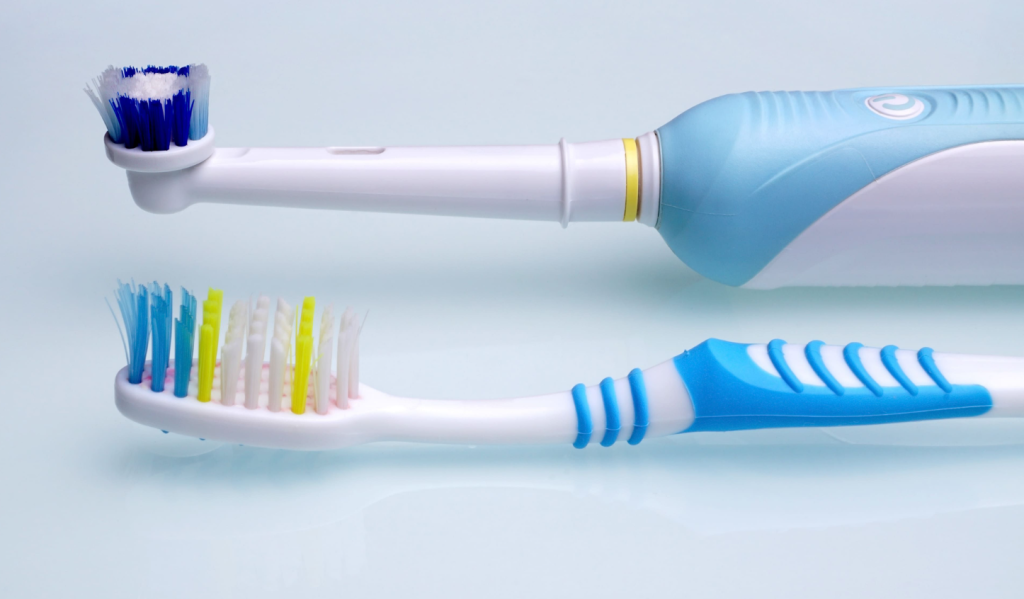
- With Electric Toothbrushes
Some users move the brush too quickly or treat it like a manual brush. Because the brush head already performs the cleaning motion, guiding it slowly across each tooth is essential. Applying too much pressure can also reduce effectiveness and irritate the gums.
- With Manual Toothbrushes
Technique is the most common challenge. Many people brush too hard, missing the gumline or failing to brush for the recommended duration. Inconsistent motions or rushing through the routine can lead to uneven plaque removal.
Recognizing these mistakes helps users improve their daily habits regardless of which brush they choose.
Quick Breakdown of Key Differences
- Electric toothbrushes clean consistently with less effort.
- Manual toothbrushes require perfect technique to match electric results.
- Electric brushes reduce the risk of brushing too hard.
- Manual brushes are more affordable and travel-friendly.
- Electric brushes often include helpful features like timers or pressure sensors.
Which One Supports Better Gum Health?
Gum health depends heavily on brushing technique, pressure, and thoroughness. Electric toothbrushes often perform better in this area because they minimize misuse. Excess pressure is a common cause of gum irritation, and electric models regulate this automatically. Their small, rounded brush heads also help reach the gumline more efficiently.
Manual toothbrushes can support healthy gums too, but only when used with gentle pressure and the correct angle. A soft-bristle manual brush works well for individuals who practice careful, consistent brushing. However, slight mistakes can lead to missed spots or unnecessary irritation.
Which One Helps Remove More Plaque?
Electric toothbrushes generally remove more plaque because of their consistent movement patterns. The oscillating or vibrating motion breaks down debris effectively, even in areas that are difficult to reach manually. Many studies show that electric brushes perform better in long-term plaque control, especially for people who struggle with technique or time management.
Manual brushes can still be effective but leave room for human error. Proper brushing requires steady circular motions for a full two minutes, which many people do not maintain consistently. For those confident in their technique, manual brushes remain a reliable option.
Choosing the Right Brush Based on Lifestyle
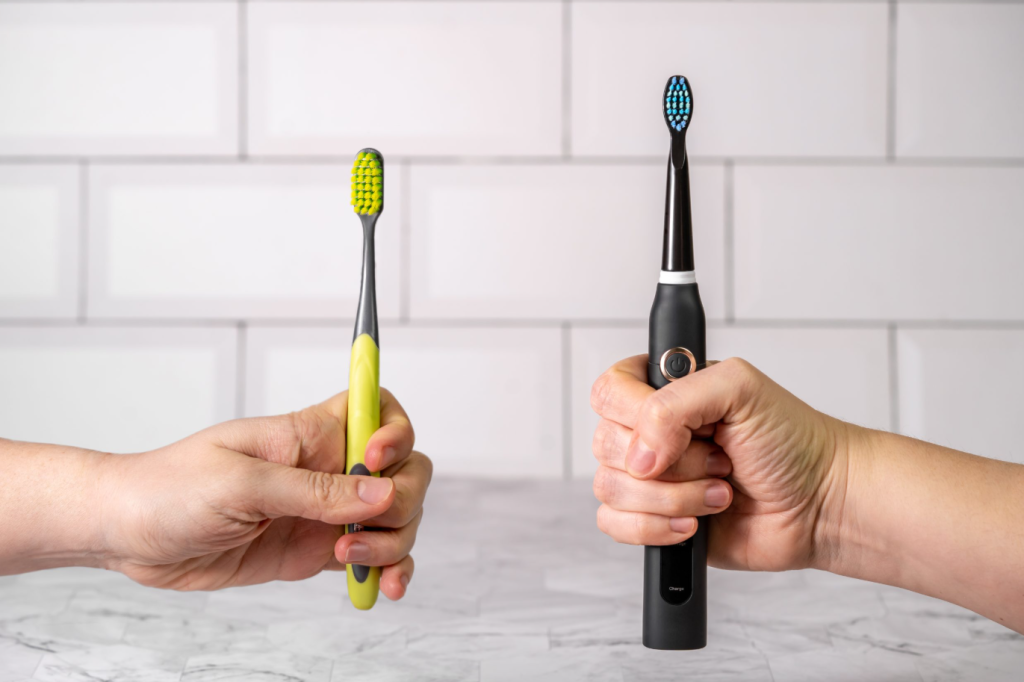
The choice between electric and manual toothbrushes often depends on lifestyle. Electric brushes are ideal for individuals who appreciate convenience, consistency, or supportive features that help maintain better habits. They are also helpful for children, older adults, or anyone with difficulty maintaining proper technique.
Manual toothbrushes work well for people who prefer simplicity, control, or a travel-friendly option. They suit those who already practice strong brushing habits or prefer a lightweight routine.
CompareSphere’s analysis shows that both types can support oral health effectively, but electric toothbrushes offer a more reliable outcome for most users, especially those looking for ease and consistency.
There is no single “correct” answer for everyone. Electric toothbrushes often deliver stronger results with less effort, while manual brushes remain effective for individuals committed to proper technique. The best choice depends on personal preference, brushing style, and comfort. By understanding how each tool works, people can choose the option that keeps their teeth and gums healthy with confidence and ease.