
Stress is a natural part of life, and not all stress is harmful. In fact, certain levels of pressure can motivate, sharpen focus, and improve performance. The challenge lies in recognizing when stress supports growth and when it starts to wear down the body and mind. CompareSphere breaks down the difference between healthy stress and harmful stress, helping readers understand their own reactions and learn how to manage pressure in a balanced, sustainable way.
Healthy stress boosts focus, motivation, and short-term performance, while harmful stress overwhelms the body, affects mood, and disrupts daily functioning. The key difference is duration, intensity, and how the body physically responds.
Understanding What Healthy Stress Really Is
Healthy stress, often called “productive stress,” is the brief pressure that comes from challenges the mind and body are capable of handling. This type of stress activates the body’s alertness system, giving a quick boost of energy and concentration. It helps a person perform well during important tasks such as work projects, exams, or new responsibilities.
Healthy stress feels manageable. It rises during specific moments and fades once the activity or challenge ends. It can support growth, build resilience, and help develop new skills. People often experience healthy stress when stepping outside their comfort zone in a positive way, such as starting a new workout, learning something new, or preparing for an important event.
The key sign of healthy stress is that it pushes the individual forward without leaving long-lasting tension or exhaustion.
What Harmful Stress Looks Like
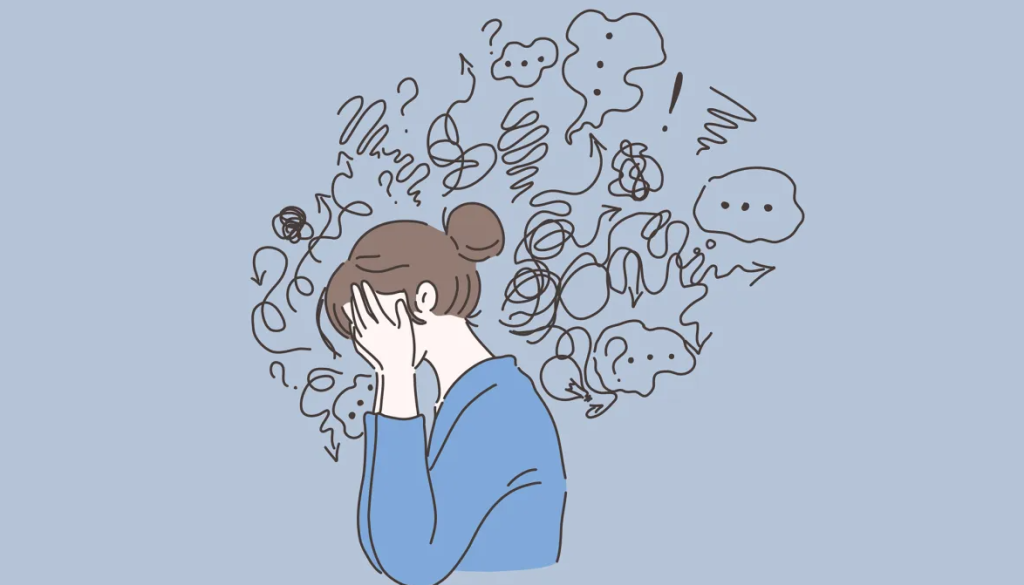
Harmful stress develops when challenges exceed the body’s ability to cope. Unlike healthy stress, which is short-lived and purposeful, harmful stress is constant, heavy, and emotionally draining. It often appears when responsibilities pile up without a break, or when someone faces ongoing pressure without support or rest.
This type of stress can affect sleep, mood, digestion, focus, and energy levels. It often feels like a weight that doesn’t go away, even during moments of rest. When harmful stress builds up, the body remains in a prolonged state of alertness, leading to mental fatigue and physical tension.
Harmful stress does not motivate; it drains. It affects everyday life by making simple tasks feel overwhelming and reducing the ability to think clearly.
How the Body Responds Differently to Each Type of Stress
The body interprets stress through chemical and physical signals. During healthy stress, the body experiences a temporary increase in adrenaline and alertness. This short burst improves focus and helps complete tasks efficiently. Once the challenge passes, the body returns to a calm and balanced state.
Harmful stress creates a prolonged state of activation, keeping stress hormones elevated for long periods. This drains the body’s energy, weakens the immune system, and can disrupt normal functions such as sleep or appetite. When the stress response fails to turn off, the body never gets the chance to fully recover.
These biological differences explain why one type of stress feels energizing while the other feels exhausting.
Everyday Signs That Stress Is Becoming Harmful

People often overlook early signs of harmful stress because they assume the pressure is normal. Recognizing these signals early can prevent long-term difficulties. Here are some examples:
- Tasks start feeling overwhelming instead of motivating.
- Sleep becomes inconsistent or restless.
- Concentration levels drop noticeably.
- Small problems feel disproportionately stressful.
- Physical tension becomes constant rather than temporary.
These signs show that the body is asking for rest, balance, or external support.
Healthy Stress Examples vs Harmful Stress Examples
Healthy stress typically appears in situations that are challenging but achievable. It may show up before presentations, during deadlines, or when building new habits. This type of pressure pushes for growth without causing emotional strain. It fades after the event and leaves a sense of accomplishment.
Harmful stress appears when challenges are ongoing, unclear, or emotionally heavy. It may come from unrealistic demands at work, long-term financial pressure, complicated relationships, or constant worry. Instead of creating motivation, it causes avoidance, irritability, or fatigue.
The difference often lies in how the body feels afterward. Healthy stress leaves the mind energized, while harmful stress leaves it overwhelmed.
How to Shift From Harmful Stress to Healthy Stress

- Creating healthier stress patterns starts with small, consistent habits that support emotional resilience.
- Establish Clear Boundaries
- Knowing when to pause helps prevent responsibilities from becoming overwhelming.
- Prioritize Rest and Recovery
- Stay Connected With Supportive People
- Talking through concerns helps reduce emotional weight and provides perspective.
- Deep breathing, stretching, or mindfulness exercises lower the body’s stress levels.
These strategies help the body switch from a constant state of tension to a more balanced rhythm.
Understanding the Difference Truly Matters
Recognizing the difference between healthy and harmful stress helps individuals protect their emotional and physical well-being. Healthy stress can be useful, pushing people toward growth and helping them navigate important moments. Harmful stress, on the other hand, signals that adjustments are needed to restore balance.
CompareSphere highlights that knowing how to interpret stress allows individuals to respond more effectively to life’s challenges. By identifying whether stress is motivating or draining, people can make better choices that support long-term health.
Healthy stress builds resilience; harmful stress depletes it. Understanding the distinction empowers individuals to manage their daily lives with greater clarity and confidence.